


CHALLENGES
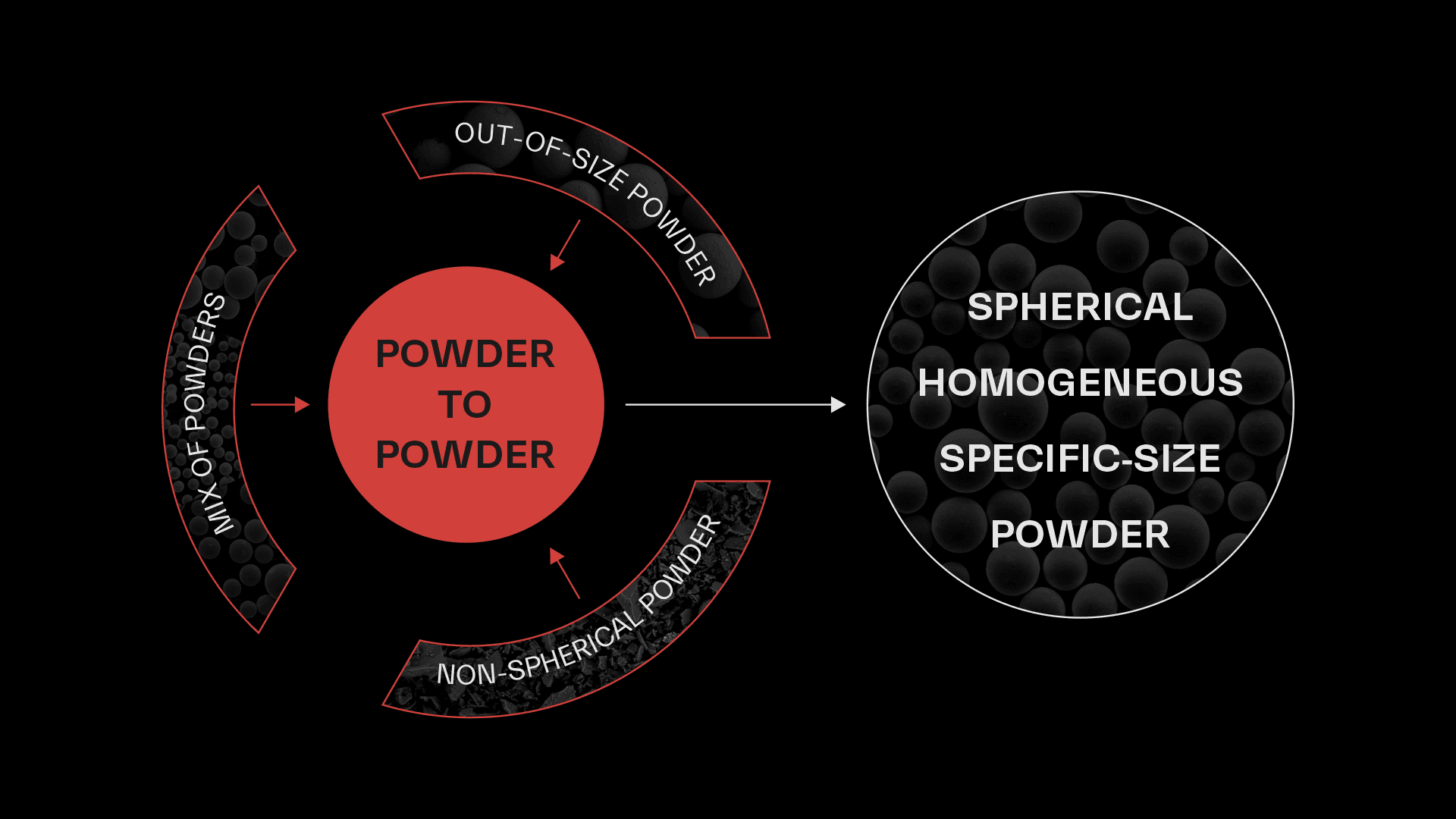
Struggling with unusable metal powder?
Dealing with out-of-spec metal powder presents several practical problems:
Increased Costs
Each process leaves behind powder that can't be reused. You have powder but you have to buy new powder to carry on your work.
Storage and Handling
Unusable powder still takes up space and requires proper storage and handling with safety measures in mind.
Printout quality
Using mix of powders for AM processes due to unavailability of required alloy in powder form brings out concerns about final part quality.
Disposal Concerns
Time Waste
Managing and testing leftover powder to see if it’s still usable consumes valuable time. If testing reveals the powder is out-of-spec, it further delays work, as fresh powder needs to be sourced and tested.
“Currently, no atomization methods are available that can directly utilize titanium powder, as feedstock. Recycling of powder is done by returning it to primary metallurgical processes, which incurs high costs due to both the processing itself and the logistics of handling flammable powder. But we have the solution for that and it’s called POWDER-TO-POWDER device.”
 Łukasz Żrodowski, PhD, AMAZEMET CEO, Founder, Inventor
“Currently, no atomization methods are available that can directly utilize titanium powder, as feedstock. Recycling of powder is done by returning it to primary metallurgical processes, which incurs high costs due to both the processing itself and the logistics of handling flammable powder. But we have the solution for that and it’s called POWDER-TO-POWDER device.”
Łukasz Żrodowski, PhD, AMAZEMET CEO & Founder, inventor“Currently, no atomization methods are available that can directly utilize titanium powder, as feedstock. Recycling of powder is done by returning it to primary metallurgical processes, which incurs high costs due to both the processing itself and the logistics of handling flammable powder. But we have the solution for that and it’s called POWDER-TO-POWDER device.”
LIMITATIONS
CURRENT PARTIAL SOLUTIONS
So far there has been no perfect solution to recycle small and medium powder batches. Current solutions help, but they have limitations.
01
Plasma Spheroidization
Plasma spheroidization is a thermal process where irregular, deformed, or fragmented powder particles are melted in a plasma jet, causing them to reform into spherical shapes. This method improves flowability and restores uniform particle size distribution. Additionally, the process can homogenize the internal structure of the particles by eliminating defects formed during initial processing. It's particularly useful for recovering powders that have altered particle morphology or suffered thermal degradation.
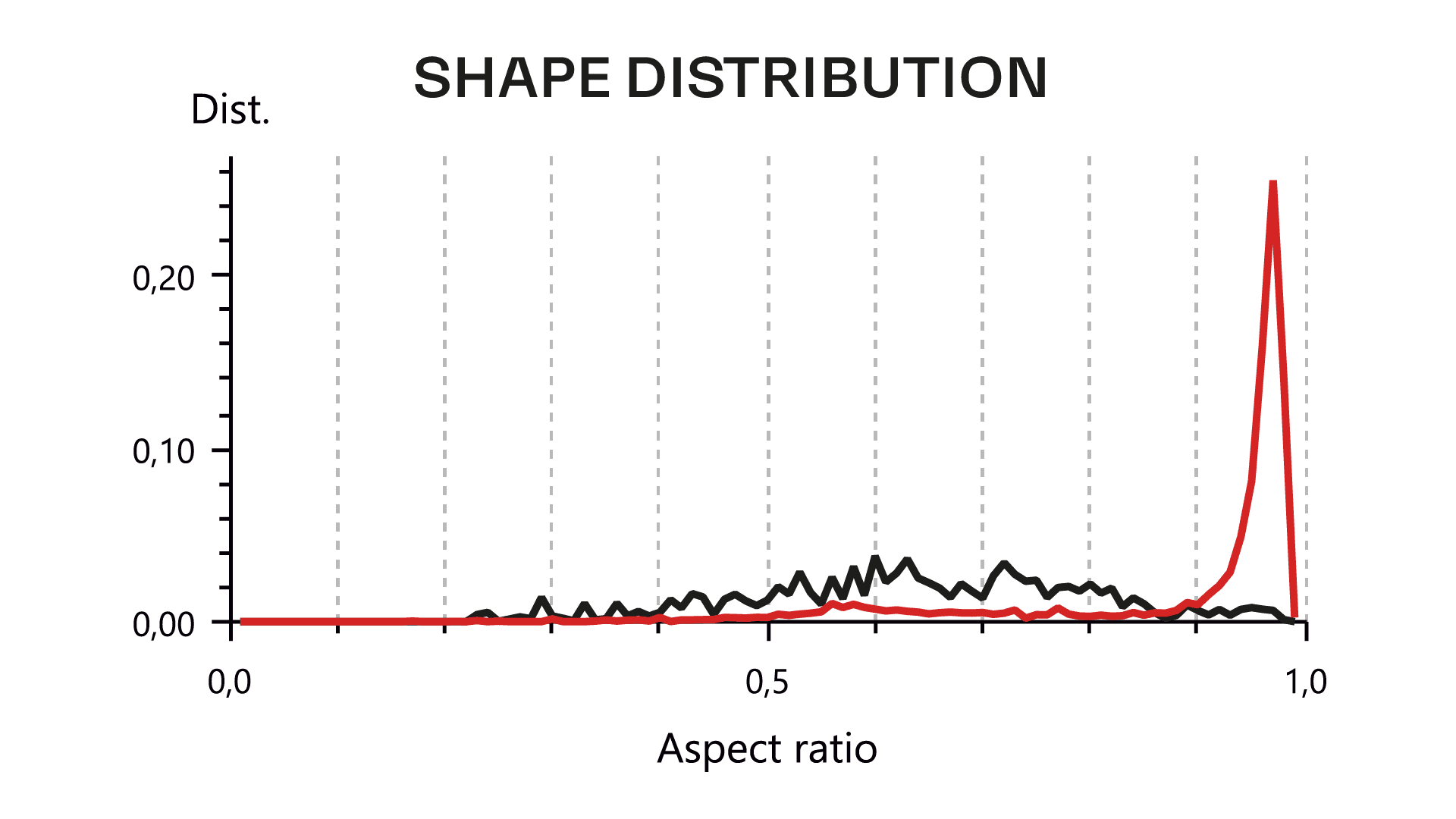
However, plasma spheroidization only changes particle shape to make it spherical. It cannot change particle size or homogenize mix of powders.
02
Sieving and Classification
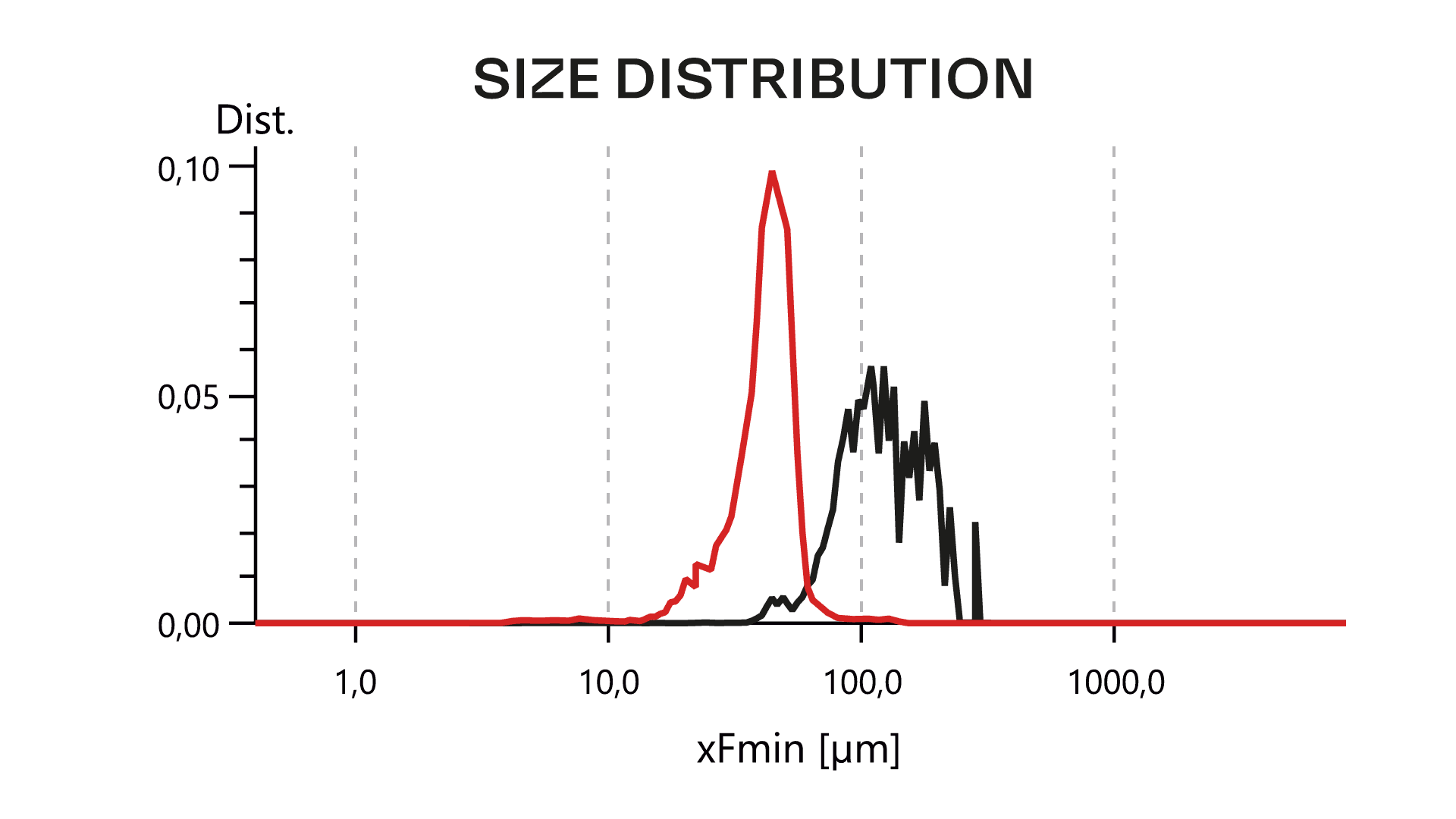
To address changes in particle size distribution, a sieving and classification system can be employed. This involves separating the usable particles from fines, overspray, or sintered particles. By using precise mesh sizes, you can refine the particle distribution to meet desired specifications, ensuring a uniform size range. While this won't restore degraded powder or improve flowability directly, it helps recover a portion of the powder that still meets specifications.
However, sieving and classification don't improve flowability. It only separates particles based on size but doesn't address issues like poor flowability or internal defects caused by thermal degradation or irregular morphology.
03
Atomization for Re-powderization
In the case of materials with altered particle morphology or inconsistent properties, re-atomization can be the only way to recycle the powder. During this process, the material is melted and atomized again, producing a new batch of powder with homogeneous internal structure and uniform particle size. This process enhances flowability and reduces waste by transforming even deformed or oversized particles into fine, spherical ones that meet industrial standards.
However, atomization processes require specific feedstock forms for efficient operation – usually rod or wire. As a result, the unusable powder needs excessive reprocessing to convert it into suitable feedstock form before it can be atomized again making the whole process costly and time-consuming.
LIMITATIONS
CURRENT PARTIAL SOLUTIONS
So far there has been no perfect solution to recycle small and medium powder batches. Currennt solutions help, but they have limitations.
01
Plasma Spheroidization
Plasma spheroidization is a thermal process where irregular, deformed, or fragmented powder particles are melted in a plasma jet, causing them to reform into spherical shapes. This method improves flowability and restores uniform particle size distribution. Additionally, the process can homogenize the internal structure of the particles by eliminating defects formed during initial processing. It's particularly useful for recovering powders that have altered particle morphology or suffered thermal degradation.
02
Sieving and Classification
To address changes in particle size distribution, a sieving and classification system can be employed. This involves separating the usable particles from fines, overspray, or sintered particles. By using precise mesh sizes, you can refine the particle distribution to meet desired specifications, ensuring a uniform size range. While this won't restore degraded powder or improve flowability directly, it helps recover a portion of the powder that still meets specifications.
03
Atomization for Re-powderization
In the case of materials with altered particle morphology or inconsistent properties, re-atomization can be the only way to recycle the powder. During this process, the material is melted and atomized again, producing a new batch of powder with homogeneous internal structure and uniform particle size. This process enhances flowability and reduces waste by transforming even deformed or oversized particles into fine, spherical ones that meet industrial standards.
However, plasma spheroidization only changes particle shape to make it spherical. It cannot change particle size or homogenize mix of powders.
However, sieving and classification don't improve flowability. It only separates particles based on size but doesn't address issues like poor flowability or internal defects caused by thermal degradation or irregular morphology.
However, atomization processes require specific feedstock forms for efficient operation – usually rod or wire. As a result, the unusable powder needs excessive reprocessing to convert it into suitable feedstock form before it can be atomized again making the whole process costly and time-consuming.

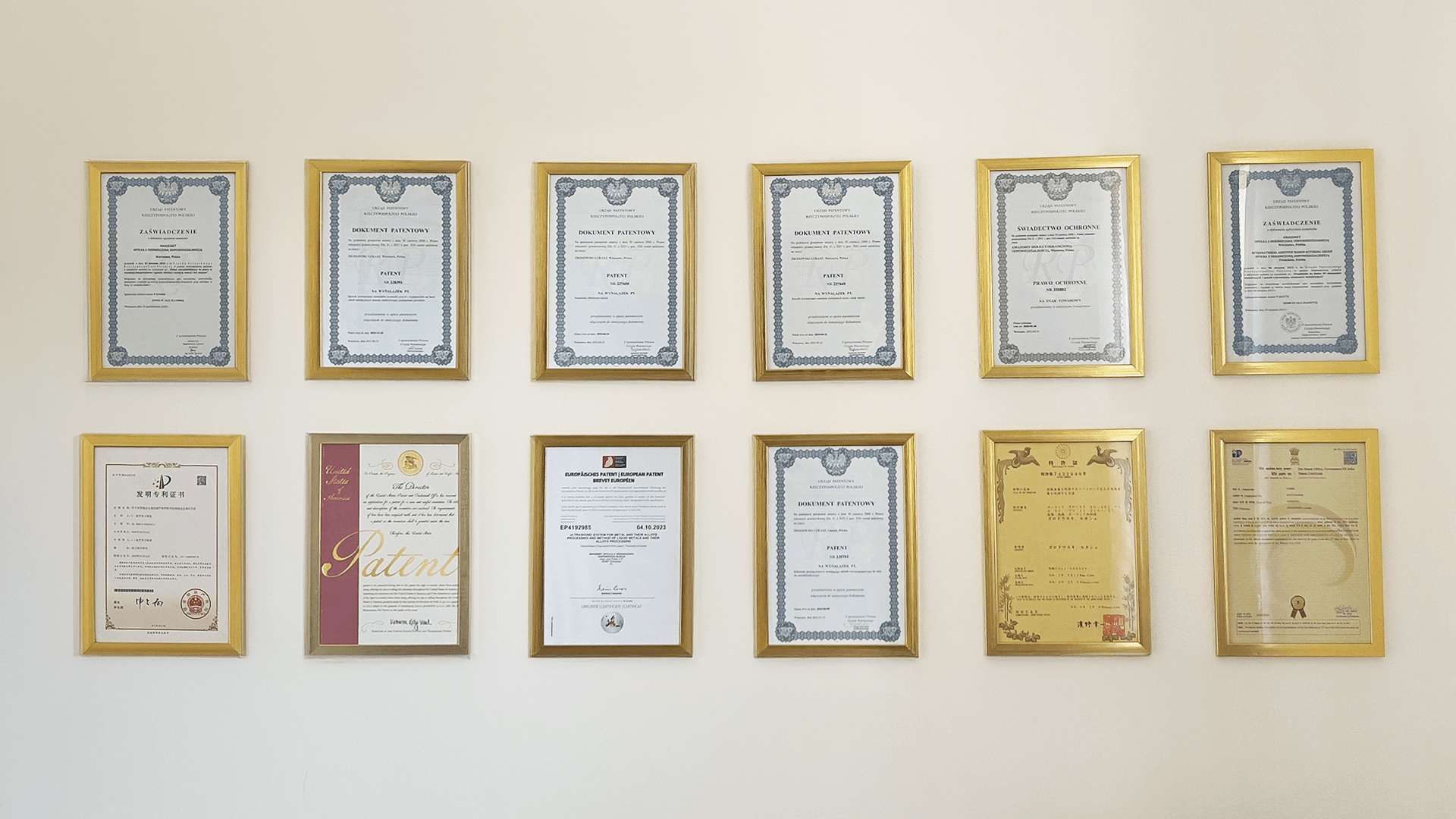




















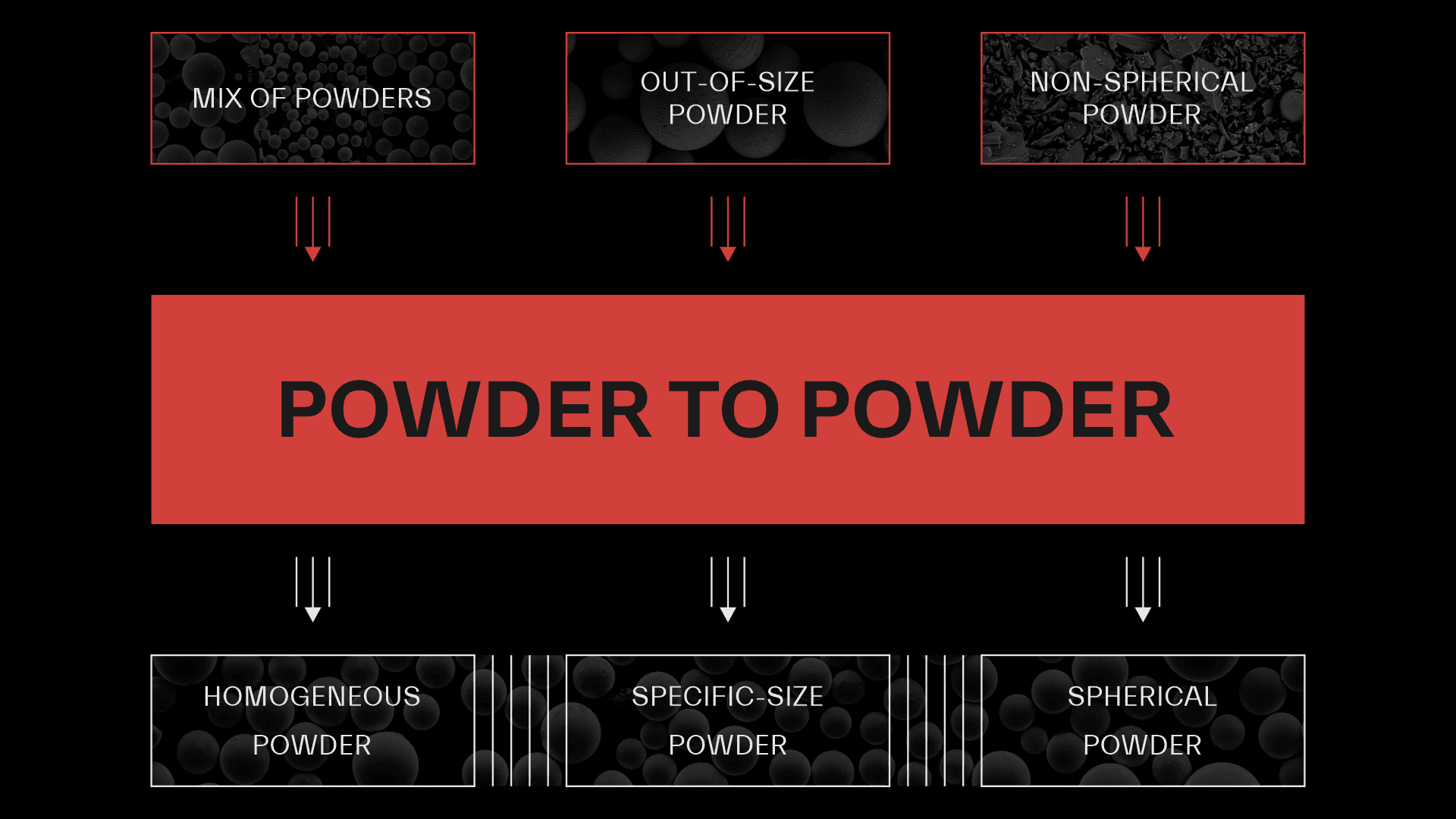
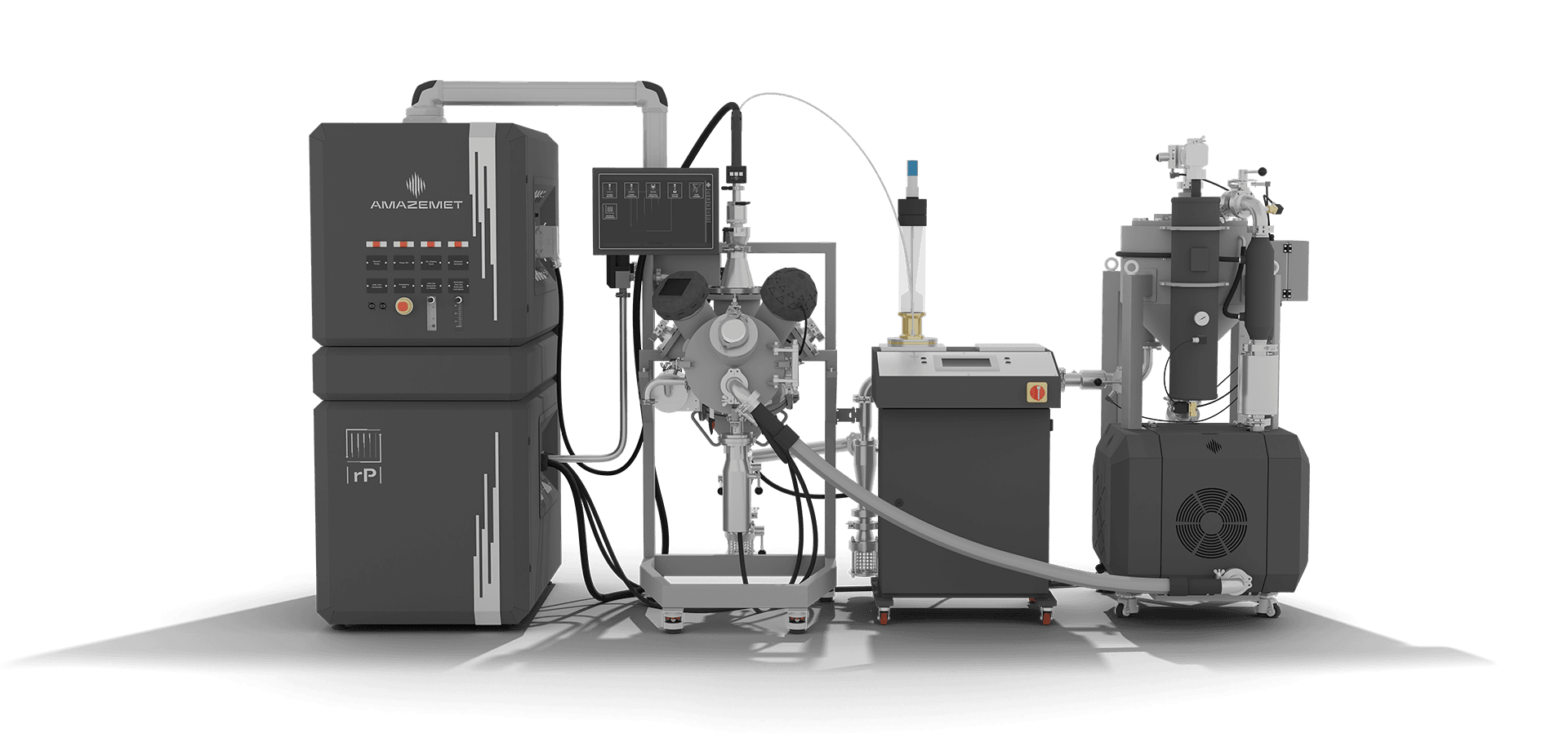
POWDER-TO-POWDER
BENEFITS & FEATURES
BENEFITS & FEATURES
With our cutting-edge solution, managing metal powder becomes seamless. Our all-in-one device enables a continuous, closed-loop production process, regardless of the input powder quality, delivering high-quality powder output every time.
With our cutting-edge solution, managing metal powder becomes seamless. Our all-in-one device enables a continuous, closed-loop production process, regardless of the input powder quality, delivering high-quality powder output every time.
Reduced powder costs and purchase procedures
buy powder once and reuse it until it’s fully consumed, cutting expenses and increasing operational efficiency.
Reduced powder waste disposal
reuse powder instead of disposing it, minimizing waste and environmental impact.
Closed-loop production chain
Integrate recycling and reuse into your production process for a sustainable, cost-effective solution.
Custom powders from the scrap you already have
mix unused powder to get new alloy composition with homogeneous powder particles.
Metal research multitool
Single device for metal powder production from various feedstock forms, now including also high-efficiency atomization of metal powder.
New research possibilities
Take your research to the next level by utilizing recycled materials and exploring innovative applications.
ANIMATION
Novel Powder2Powder technology
MATERIAL
MS1
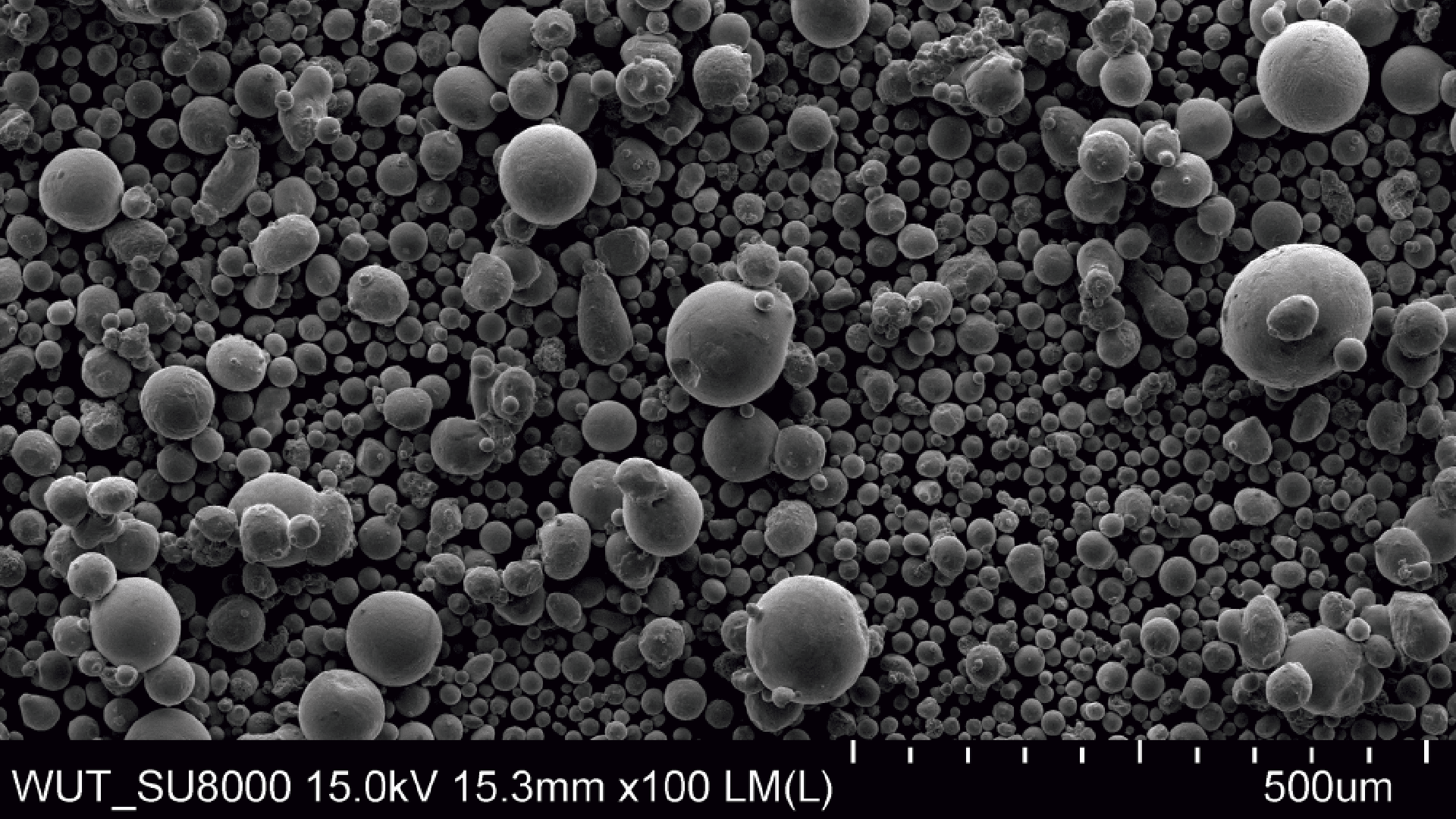
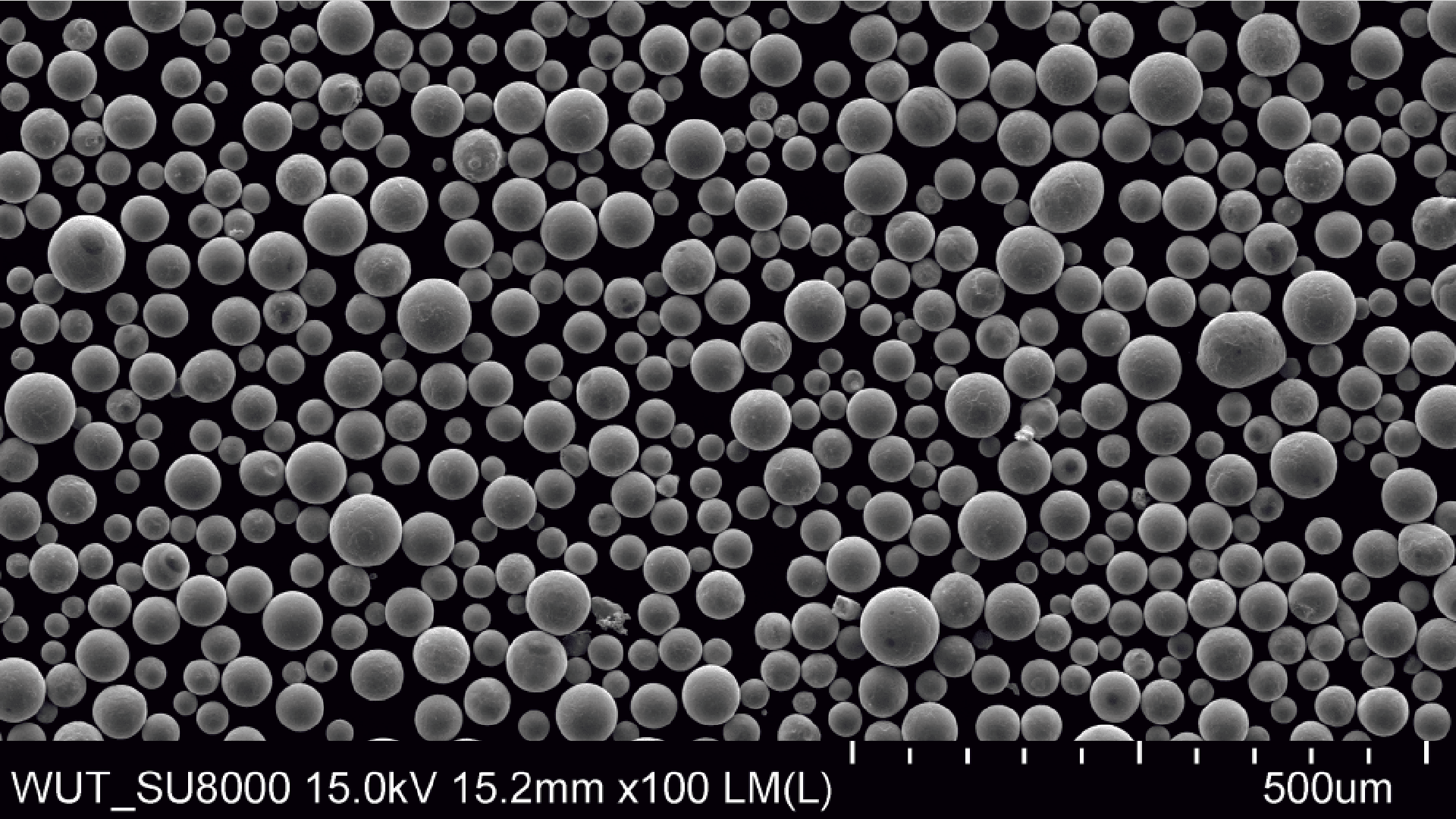
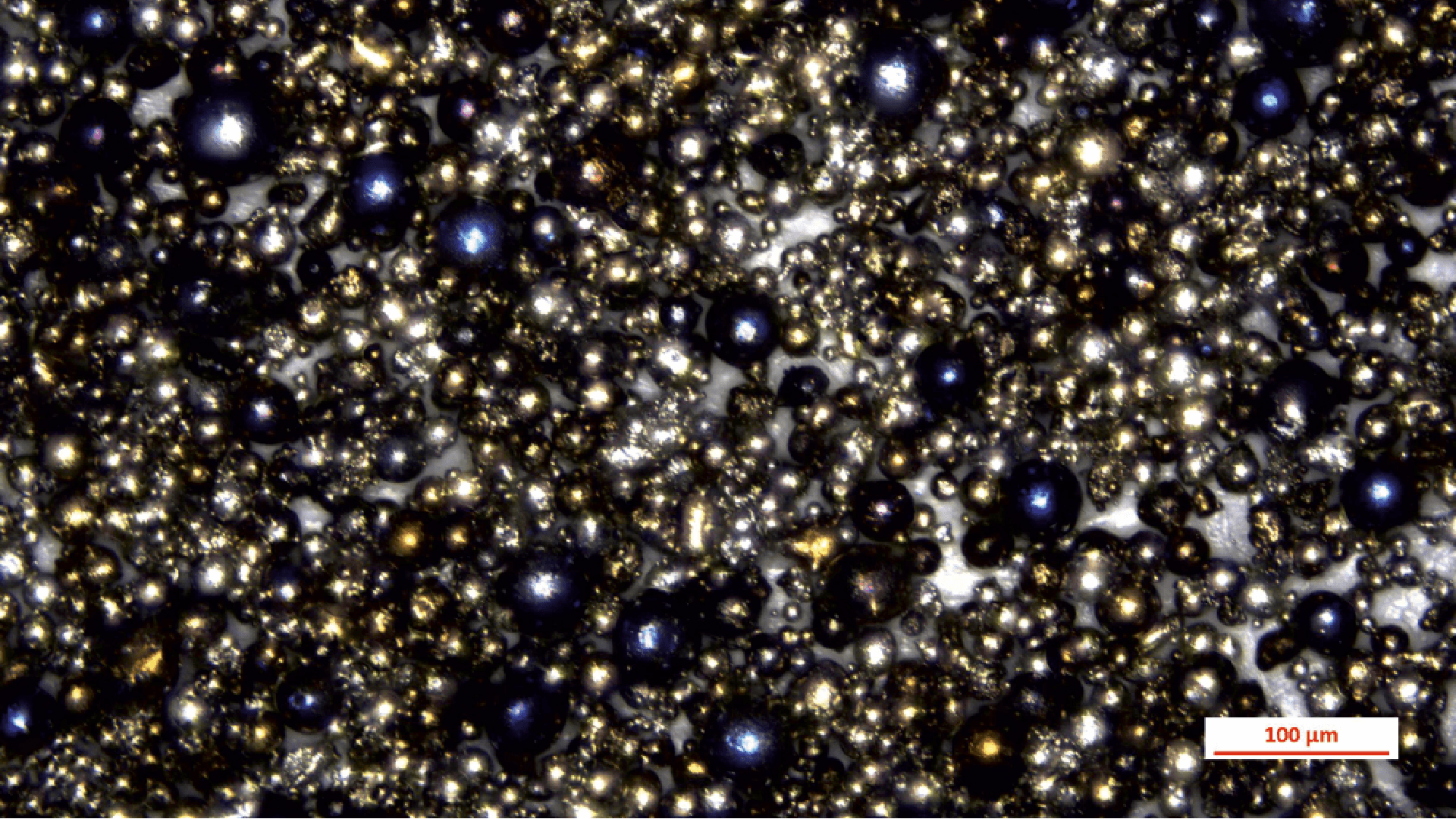
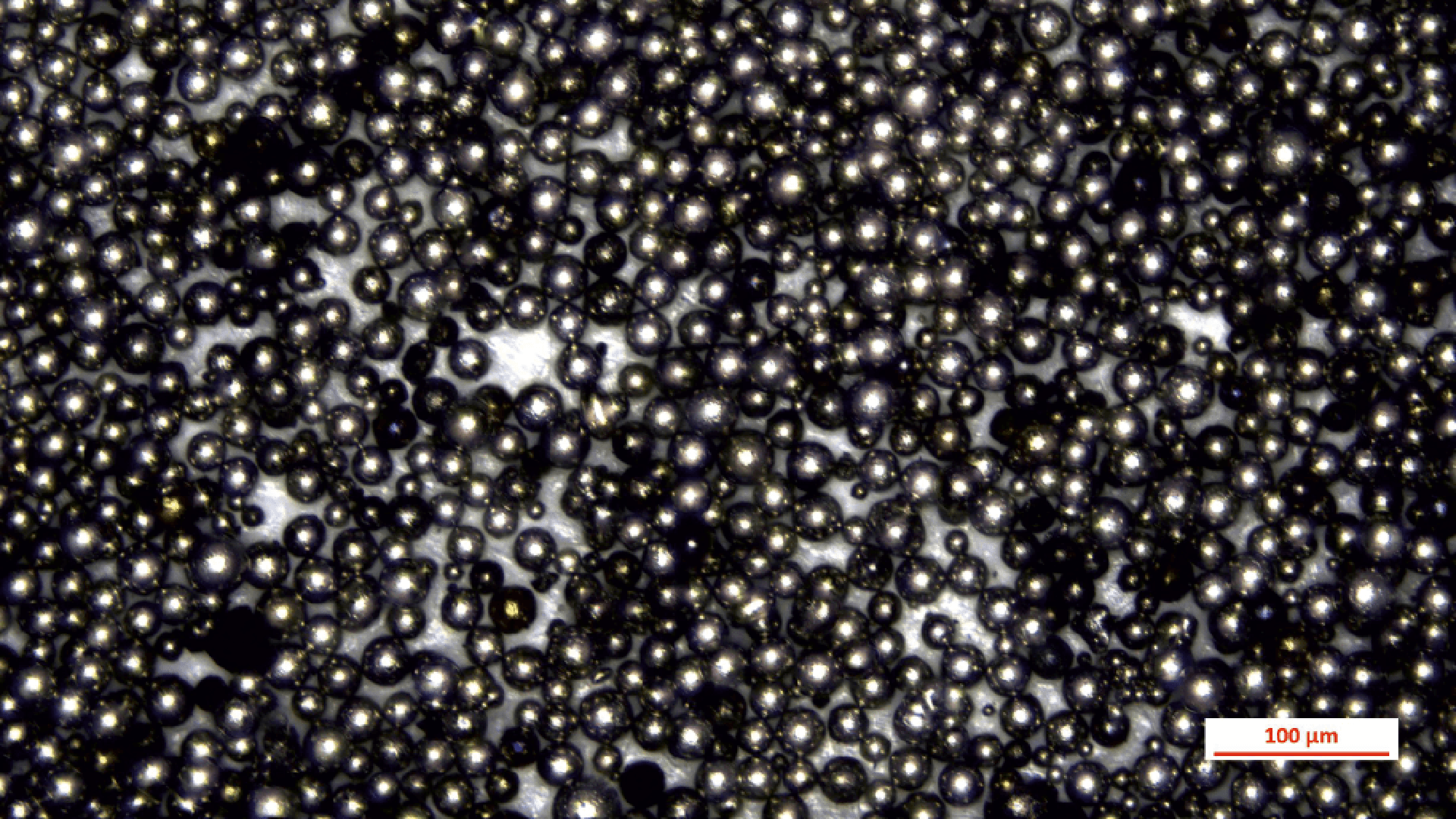
Is your metal powder
out of spec?
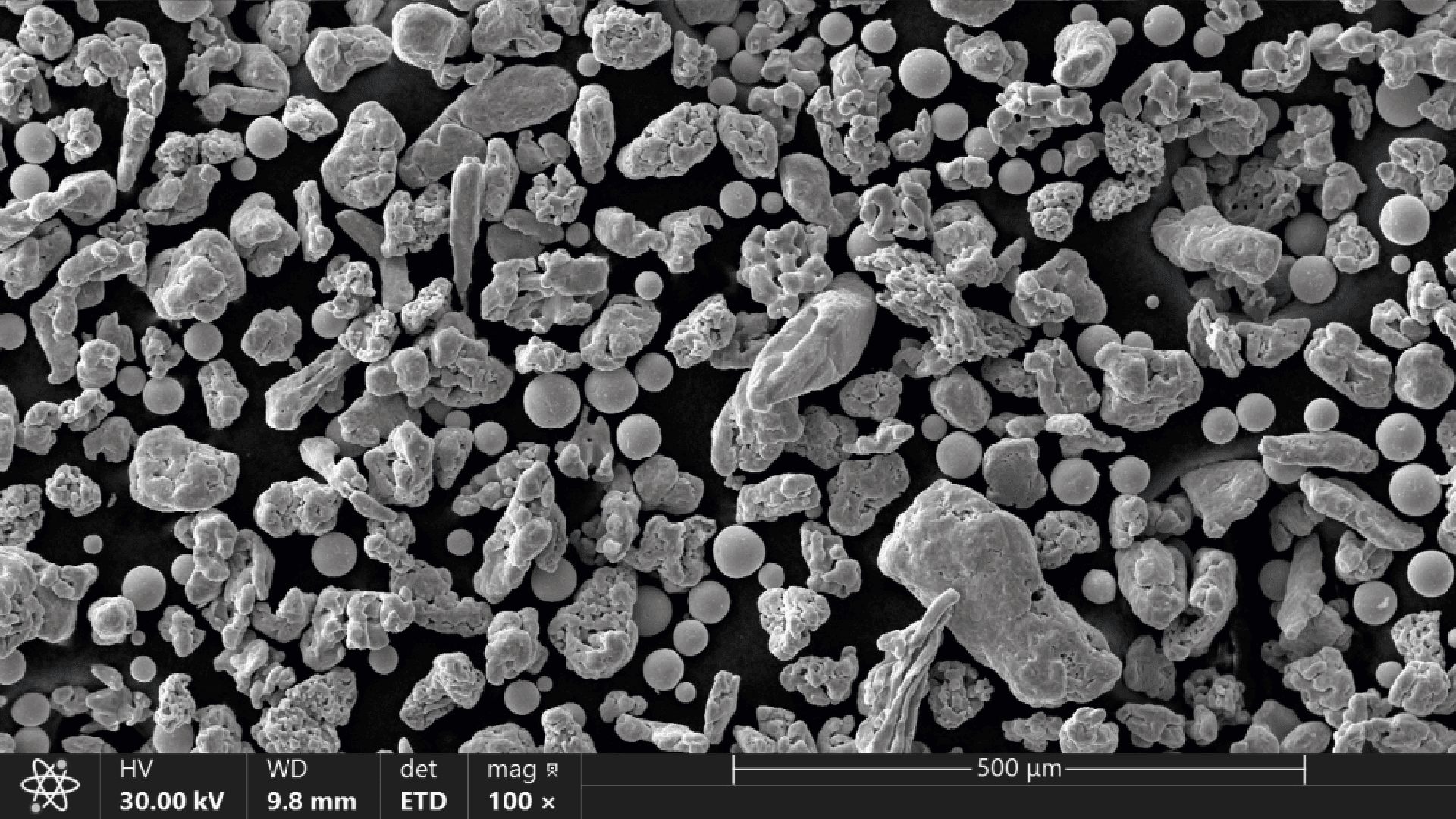
SEM
IMAGES

LIGHT MICROSCOPE
IMAGES
MATERIAL
MS1
Is your metal
powder out of spec?
SEM
IMAGES
LIGHT MICROSCOPE
IMAGES
MATERIAL
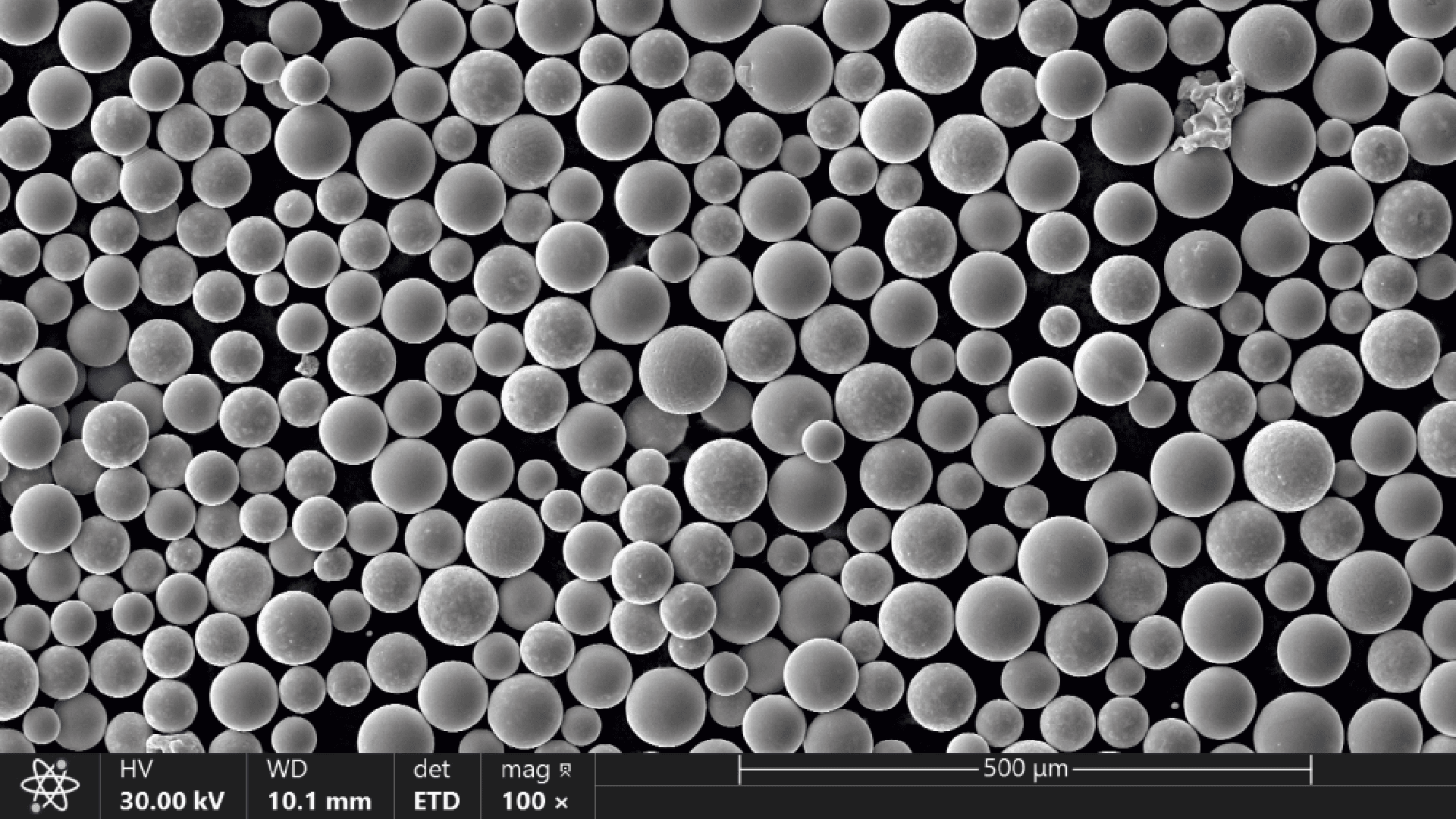
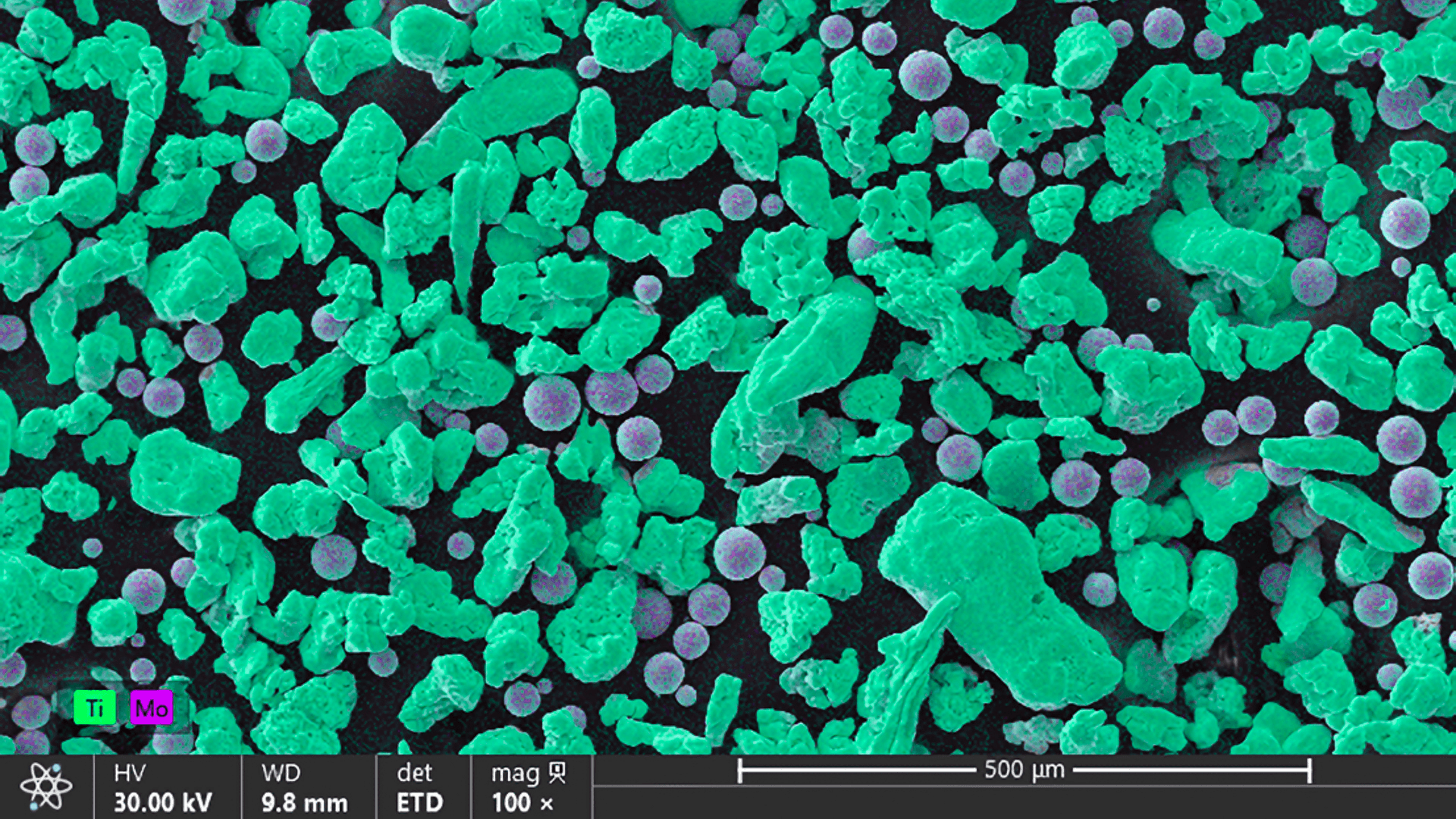
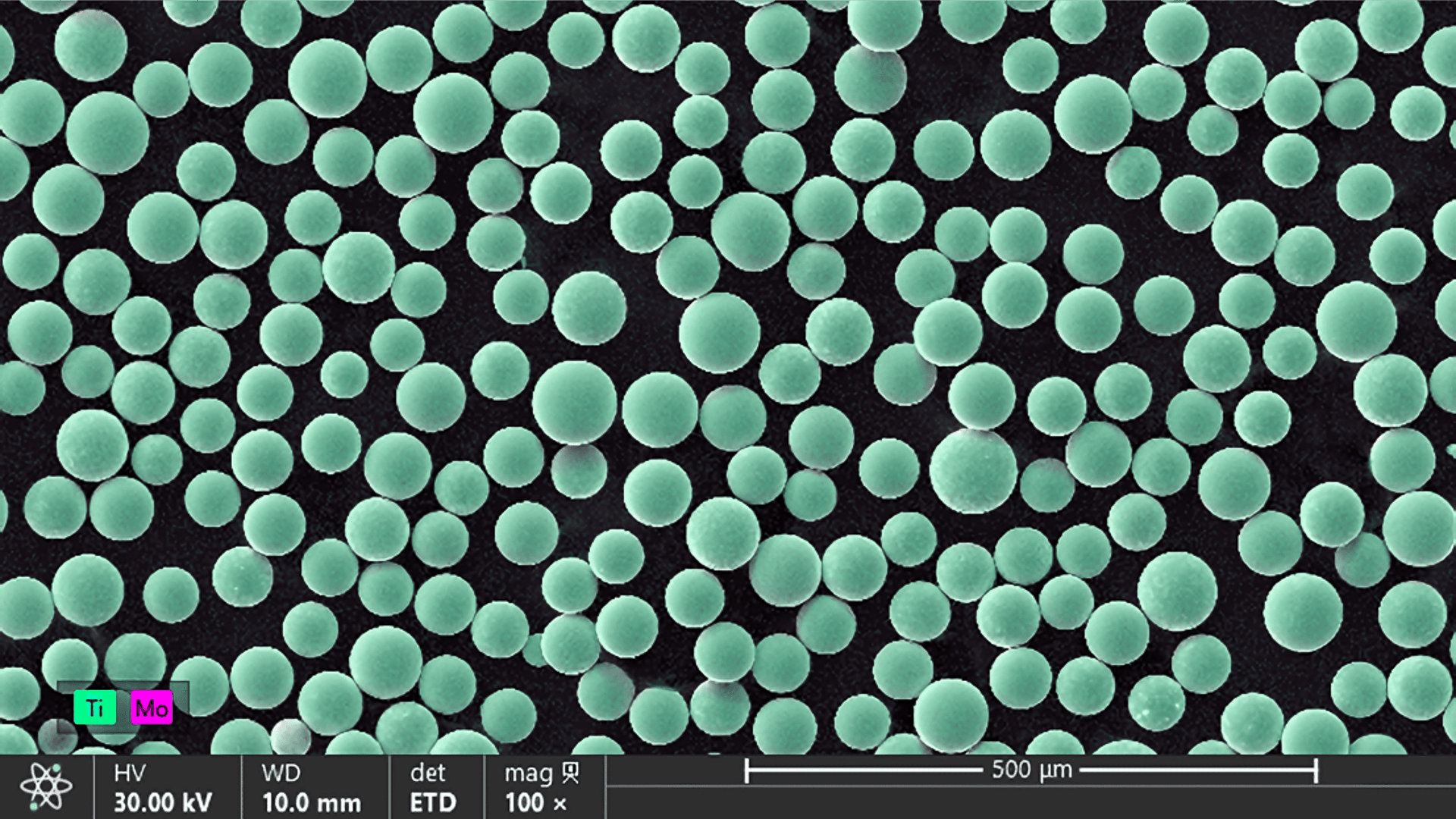
TiMo
Have you tried
in-situ alloying in AM?
SEM
IMAGES
EDS
COMPOSITIONAL MAPS
MATERIAL
TiMo
Have you tried
in-situ alloying in AM?
SEM
IMAGES
EDS
COMPOSITIONAL MAPS
MATERIAL
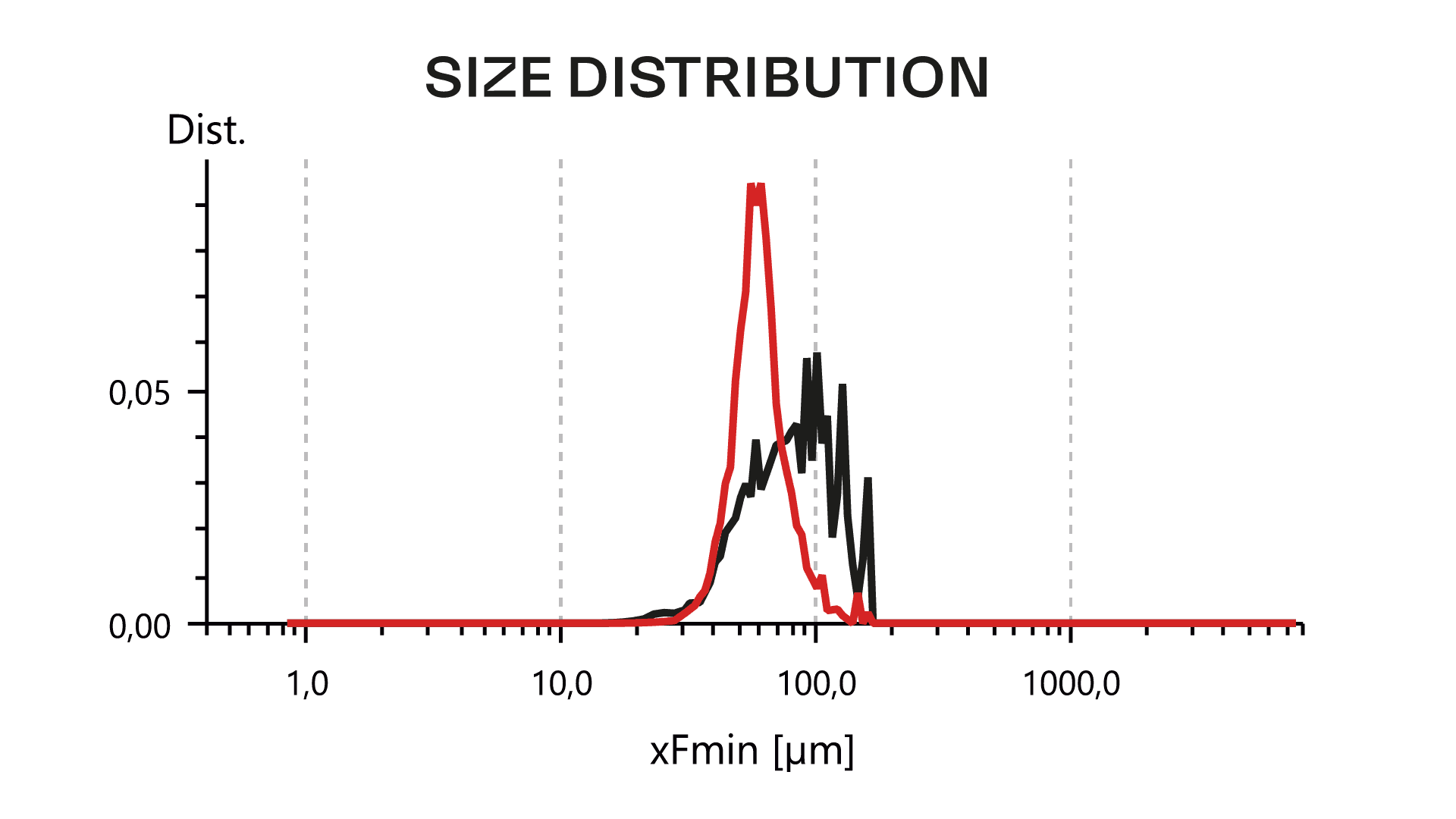
INCONEL
Out-of-size powders
holding you back?
SEM
IMAGES
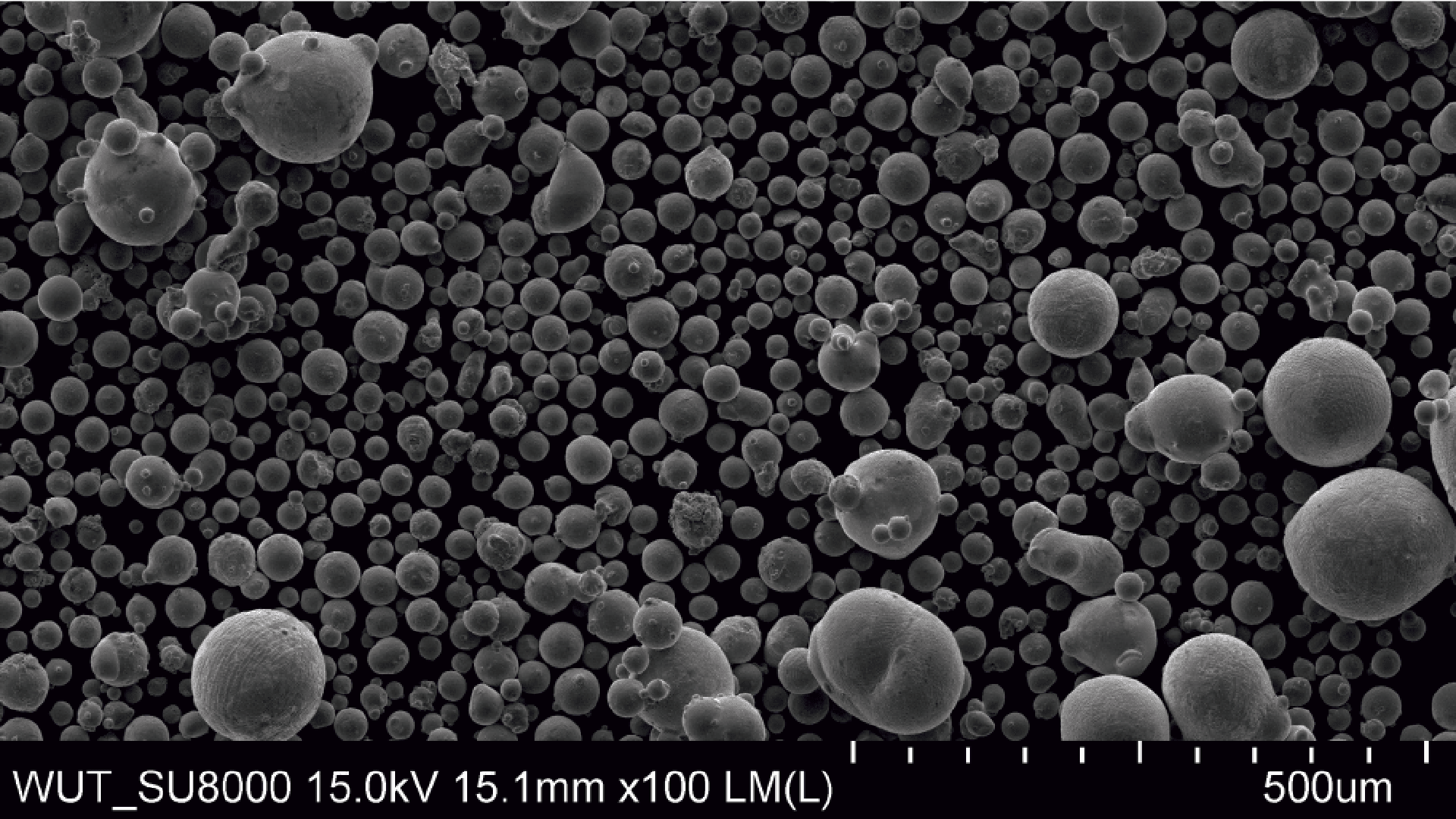
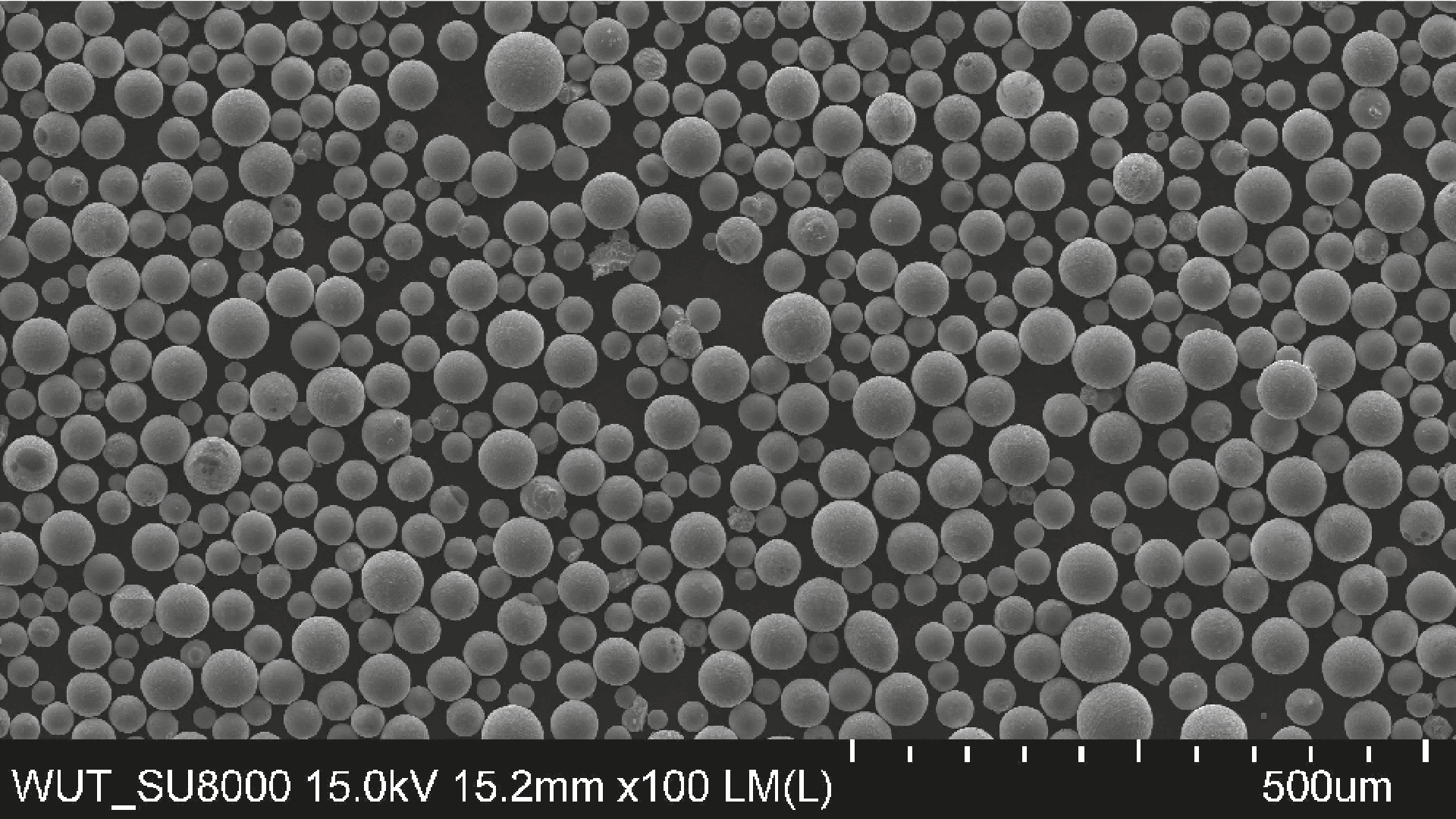
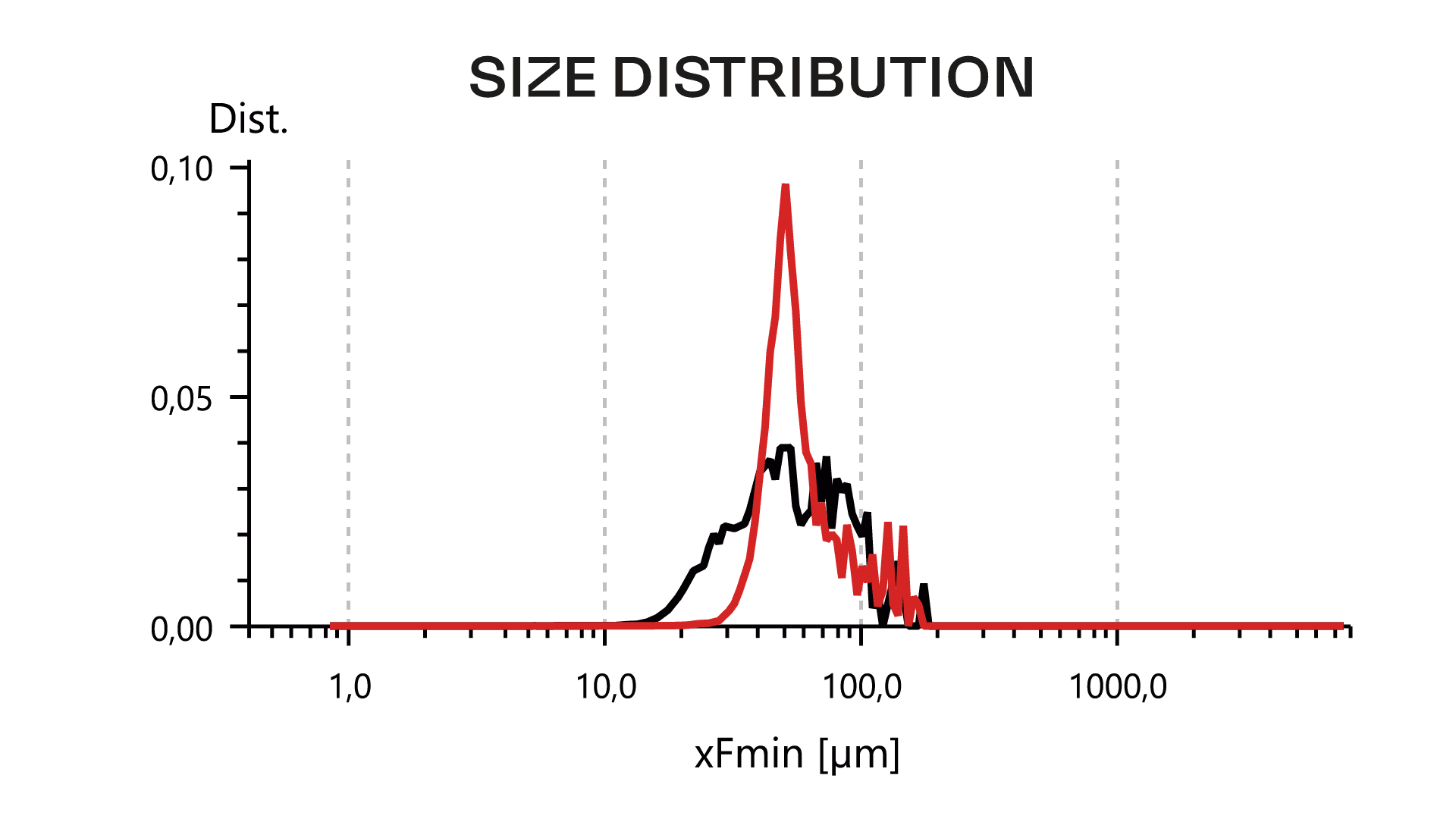
Particle Size
Distribution
MATERIAL
INCONEL
Out-of-size powders
holding you back?
SEM
IMAGES
Particle Size
Distribution
MATERIAL
Ti64
Limited to printing
with non-spherical powders?
SEM
IMAGES
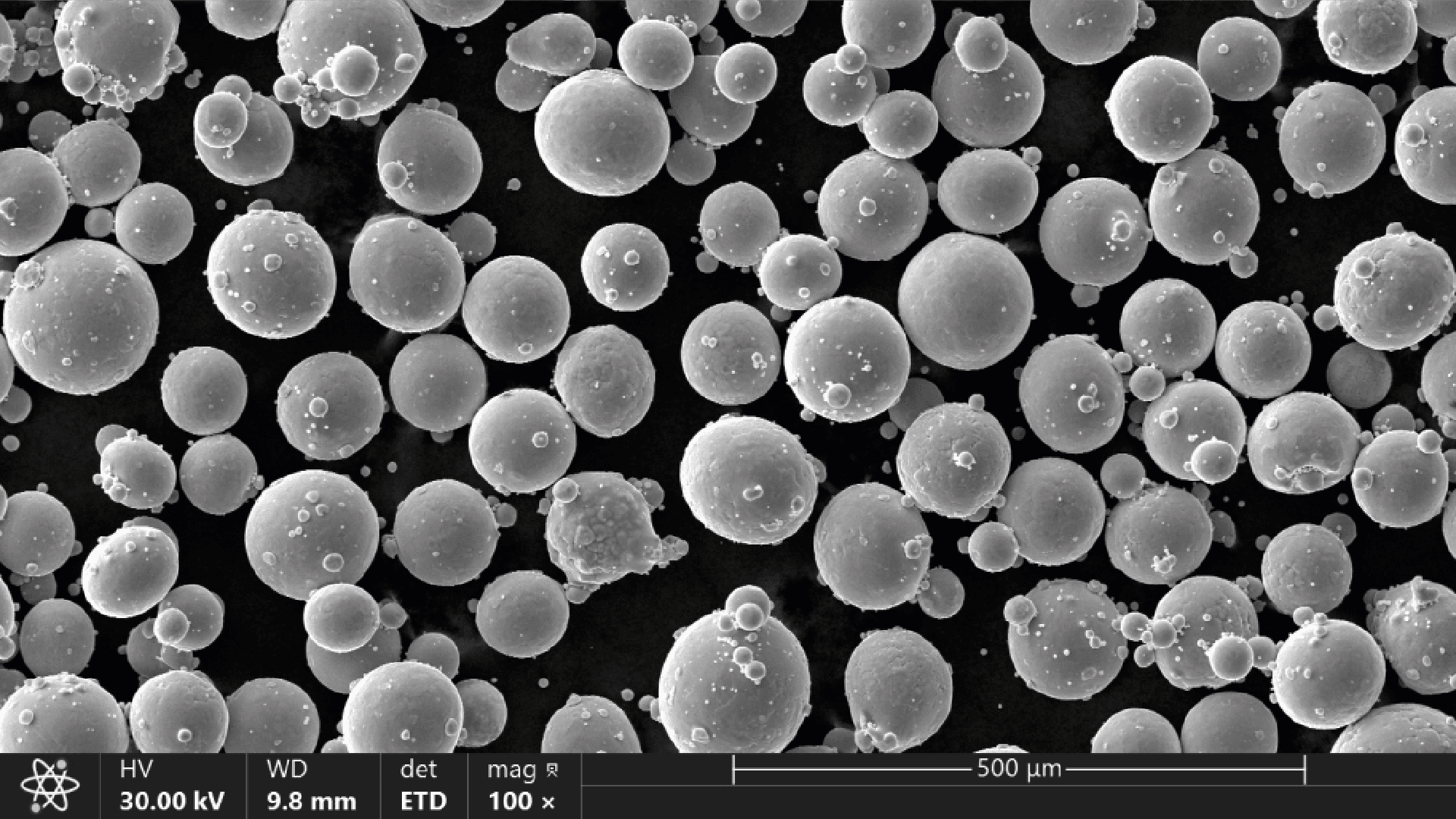
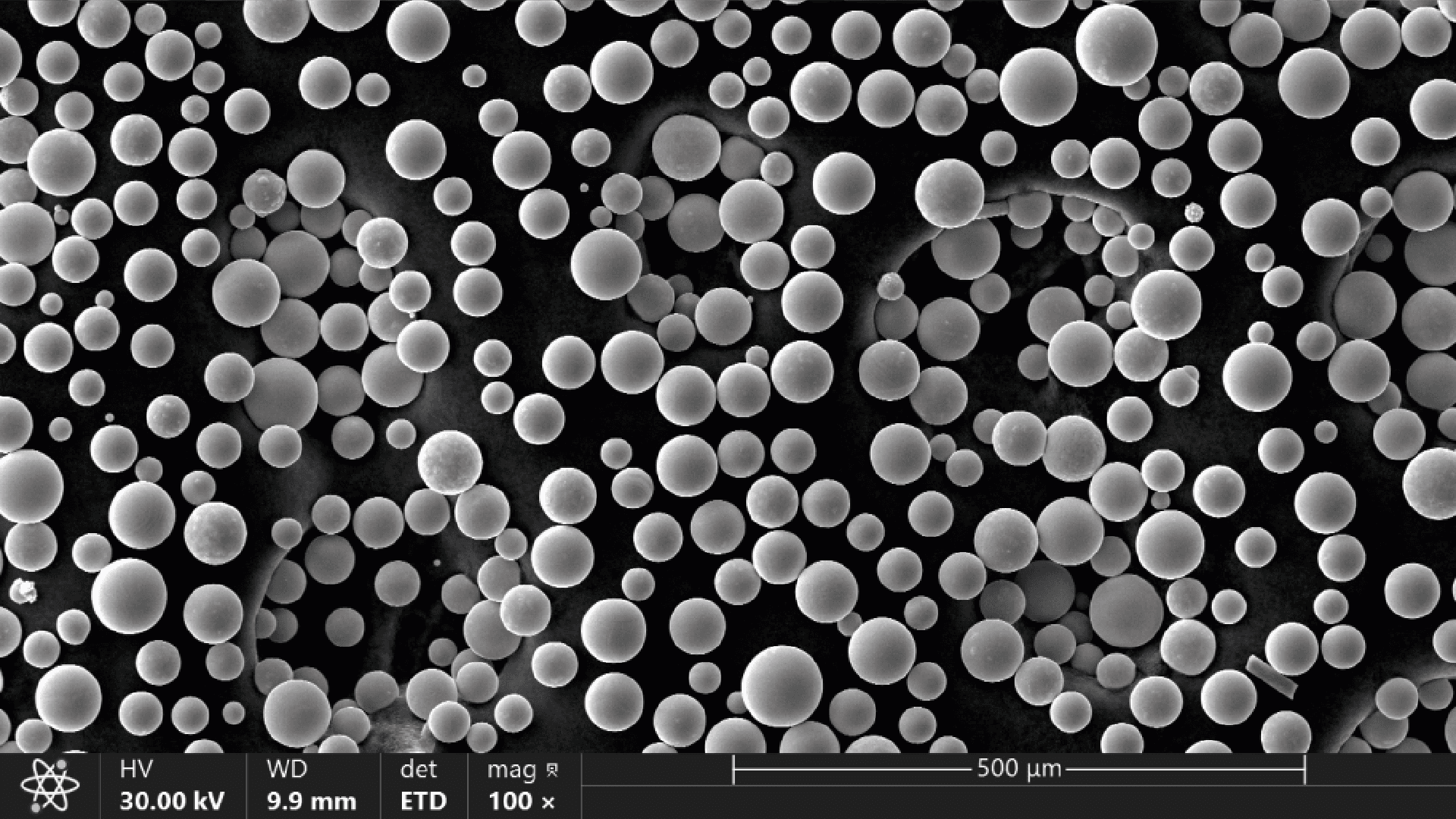
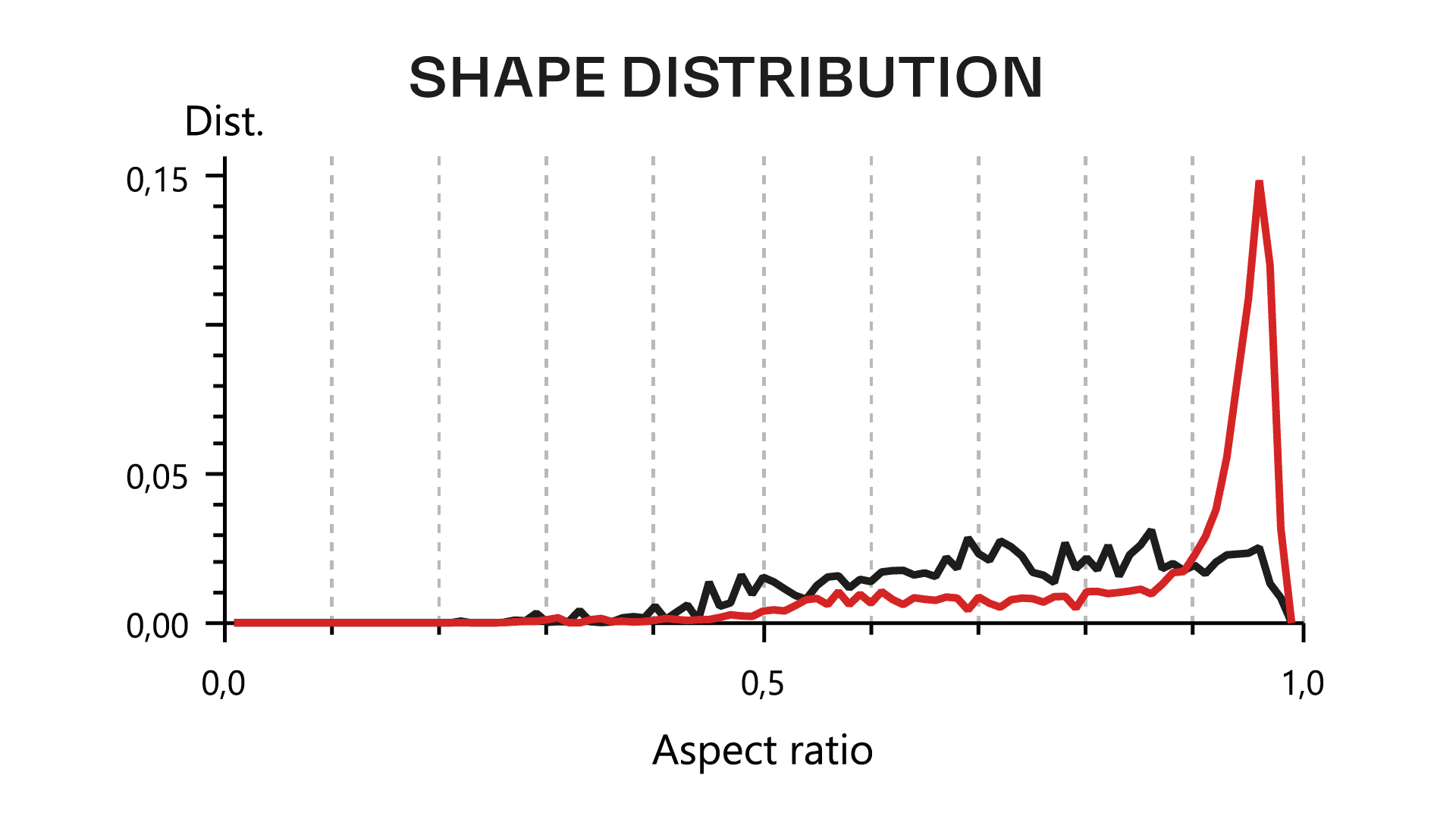
Particle Size
Distribution
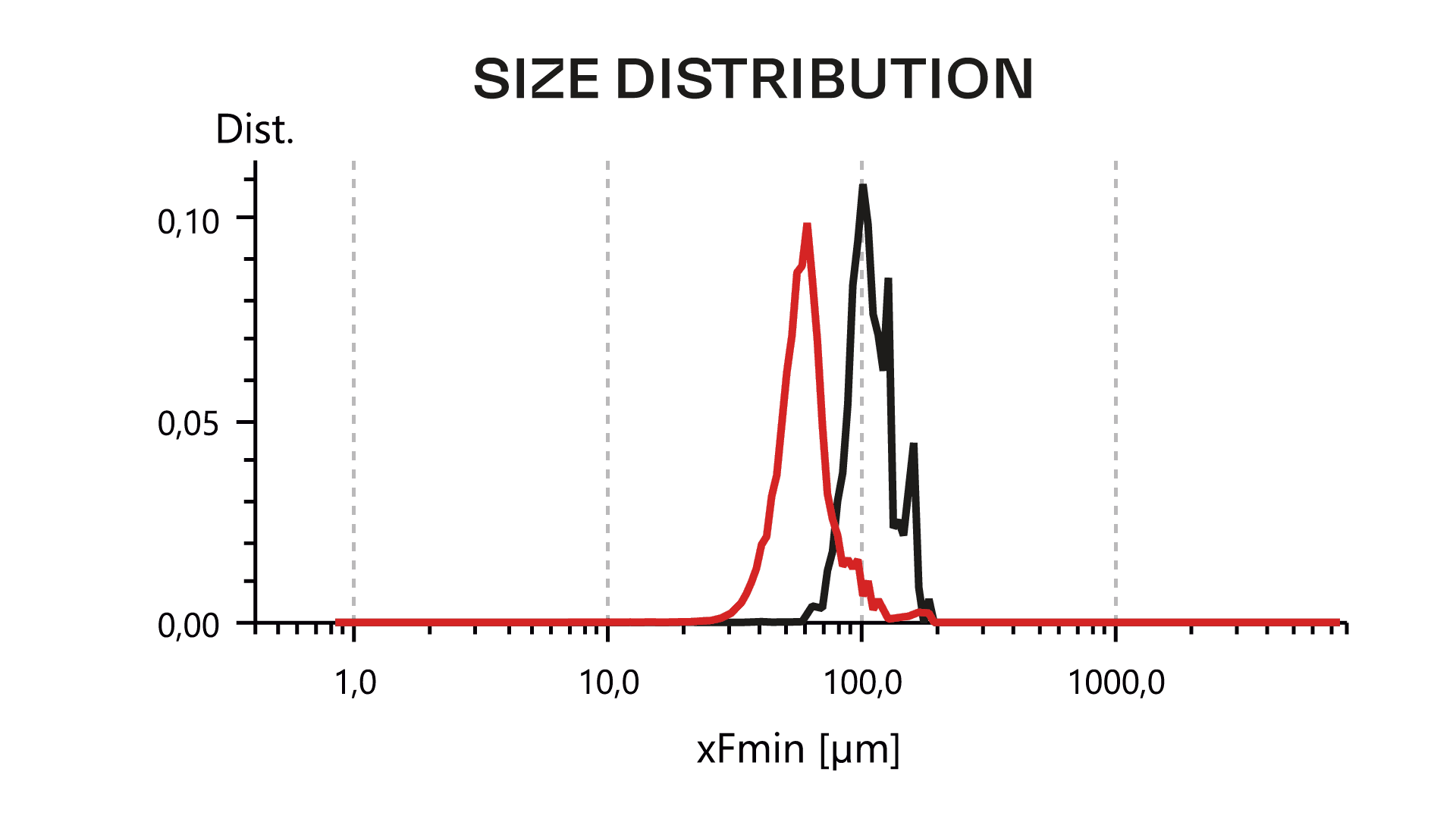
MATERIAL
Ti64
Limited to printing
with non-spherical powders?
SEM
IMAGES
Particle Size
Distribution




